Cement Sealing Services for Property Owners
Visitors will learn about cement sealing services and how local contractors can help protect and improve concrete surfaces.
- - Residential property owners seeking to protect driveways, patios, and walkways from water damage.
- - Commercial property managers needing durable sealing solutions for parking lots and outdoor surfaces.
- - Contractors looking to connect with local specialists for professional cement sealing services.
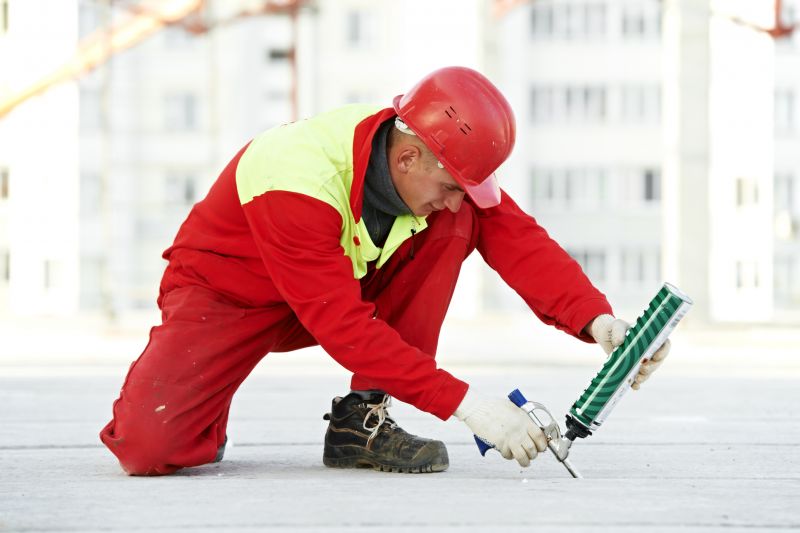
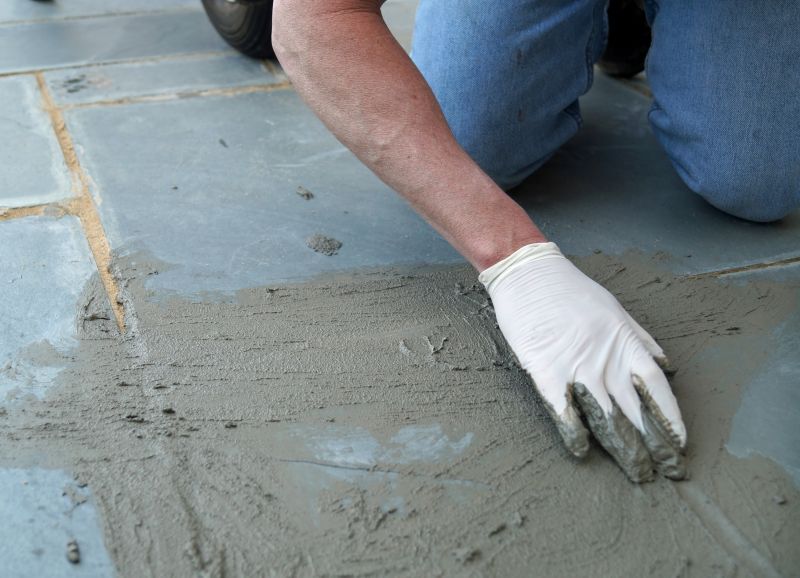
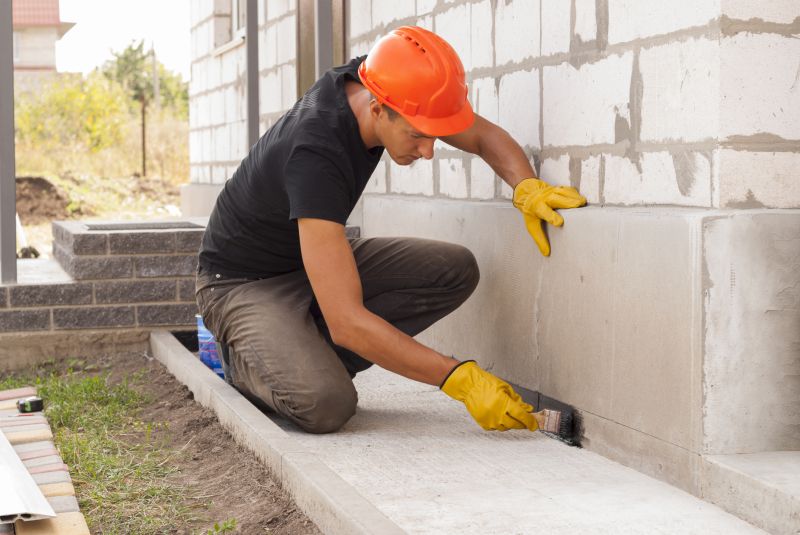
Cement sealing services are commonly sought by property owners looking to protect and enhance the durability of their concrete surfaces. Local contractors who specialize in cement sealing work typically handle tasks such as applying protective coatings to driveways, patios, walkways, and other concrete structures. These professionals assess the condition of existing surfaces, prepare the area properly, and use appropriate sealing materials to help prevent damage from moisture, stains, and wear over time.
Homeowners and property managers often turn to local service providers for cement sealing when they want to maintain the appearance and longevity of their concrete assets. The work involves careful surface preparation, selecting suitable sealants, and applying them evenly to achieve a consistent finish. Connecting with experienced local pros ensures that the sealing process is performed correctly, helping to preserve the integrity and look of the concrete surfaces for years to come.
This guide provides helpful information to compare and evaluate local contractors who specialize in cement sealing services. It aims to assist visitors in understanding key aspects of the work and preparing to connect with qualified service providers. By exploring this resource, users can make informed decisions when choosing a local contractor for their cement sealing needs.