Concrete Coloring vs. Concrete Tinting: Understanding the Differences
People seeking concrete coloring or tinting aim to enhance appearance and customize concrete surfaces, and local contractors can provide expert solutions to achieve the desired look.
If you're exploring options to enhance the appearance of your concrete surfaces, understanding the differences between concrete coloring and concrete tinting is an important first step. Property owners in the area often consider these treatments to improve curb appeal, increase property value, or simply refresh outdoor spaces. Whether for a driveway, patio, or walkway, knowing how each method works can help you make informed decisions about the best approach for your project. Local contractors who specialize in concrete coloring and tinting can provide insights tailored to your specific needs, ensuring the finish complements your overall aesthetic.
Continuing to learn about concrete coloring vs. concrete tinting: understanding the differences can clarify which option aligns with your goals and conditions. Concrete coloring typically involves adding pigments directly into the mix or applying surface stains, offering a range of color options and durability. On the other hand, concrete tinting often refers to surface-applied treatments that can subtly alter or enhance the existing concrete color. Connecting with experienced service providers in the area can help you evaluate which technique suits your space, budget, and desired look. Keep reading to discover how these options can transform your property with the help of skilled local contractors.
- Concrete coloring services are ideal for property owners seeking to add vibrant, long-lasting color to existing concrete surfaces, with local contractors applying specialized dyes or stains to achieve the desired look. Concrete tinting is often chosen when a subtle, uniform hue is needed to enhance the natural appearance of concrete, and local service providers use tinted sealers or stains to deliver consistent results. When individuals want to customize the aesthetic of driveways, patios, or walkways with specific color effects, local pros can recommend the most suitable concrete coloring or tinting options. For projects that require color enhancement without changing the surface’s texture, local contractors typically utilize coloring or tinting techniques tailored to the existing concrete. Those exploring concrete coloring vs. concrete tinting: understanding the differences can help determine which approach aligns best with their design goals, with local service providers ready to assist.
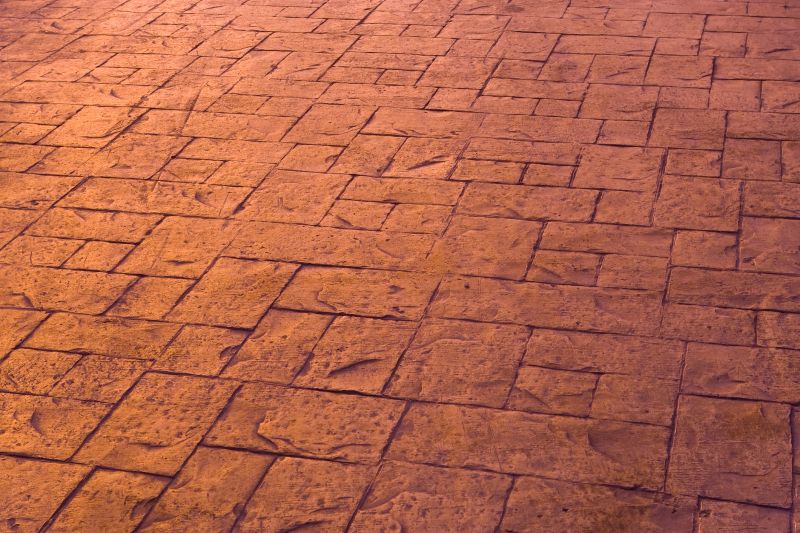

When homeowners search for information about concrete coloring vs. concrete tinting: understanding the differences, they are often trying to determine the best way to enhance the appearance of existing or new concrete surfaces. This topic typically relates to projects aimed at improving curb appeal, creating decorative accents, or achieving a specific aesthetic style on driveways, patios, walkways, or interior floors. Many property owners want to understand how these options can transform plain concrete into a more attractive feature, whether for a residential driveway or a commercial storefront. Since both techniques involve adding color to concrete, understanding their distinctions helps homeowners select the right approach for their specific design goals and property type.
The decision between concrete coloring and concrete tinting often ties into the types of problems or plans property owners have in mind. For example, some may seek to conceal stains, cracks, or uneven tones in existing concrete, making tinting a practical choice for uniform color coverage. Others might want a more vibrant or customized look that highlights the natural texture of the concrete, which can be achieved through coloring methods. These options are also relevant for plans involving new concrete installations, where color can be integrated into the mix or applied as a surface treatment. Common property types that come up include residential homes, commercial buildings, retail storefronts, and public spaces, all of which benefit from a tailored appearance that enhances visual appeal and property value.
Concrete coloring vs. concrete tinting: understanding the differences also involves recognizing the types of properties that typically benefit from these services. Residential properties, such as driveways, patios, and pool decks, often seek to add a personal touch or match a specific color scheme. Commercial properties, including parking lots and storefronts, may use these techniques to create a distinctive brand image or improve visibility. Public spaces like parks or community centers might incorporate coloring or tinting to improve aesthetics or designate areas. Local contractors who specialize in concrete coloring and tinting can help property owners explore options suitable for their property type, ensuring the chosen method aligns with the desired look, durability, and maintenance needs.
Ultimately, understanding the differences between concrete coloring and concrete tinting helps property owners make informed decisions about their decorative concrete projects. While both techniques add color to concrete surfaces, they serve different purposes and suit different scenarios. Local service providers who specialize in these techniques can assess the specific conditions of a property and recommend the most appropriate solution. Whether the goal is to refresh an existing surface or create a new decorative feature, connecting with experienced contractors ensures that the chosen method will meet aesthetic expectations and stand up to everyday use. This clarity helps homeowners approach their projects with confidence and a clear understanding of what each technique offers.
Stamped concrete projects - These projects often require surface preparation and color application techniques similar to concrete coloring and tinting to achieve decorative effects.
Concrete resurfacing services - Resurfacing involves surface preparation and the application of color or stain layers, aligning closely with the skills used in coloring and tinting concrete.
Decorative concrete installations - Creating visually appealing finishes with patterns or color accents relies on the same planning and application methods used in concrete coloring and tinting.
Concrete sealing and finishing - Achieving a smooth, durable surface often involves coloring or tinting techniques to enhance aesthetics before sealing.
Garage floor coatings - Applying decorative coatings with color effects shares techniques with concrete coloring and tinting to improve appearance and durability.
Outdoor patio enhancements - Enhancing patios with color or stain applications involves skills similar to those used in concrete coloring vs. concrete tinting projects.
When comparing service providers for concrete coloring and concrete tinting, it’s important to consider their experience with similar projects. Homeowners should inquire about the types of surfaces the contractors have worked on and the specific techniques they have used for both coloring and tinting applications. A contractor with a proven track record handling projects comparable to the homeowner’s needs can offer valuable insights into what results are achievable and how to best achieve the desired aesthetic. This experience can help ensure that the chosen service provider understands the nuances of each method and can recommend solutions that align with the homeowner’s vision.
Clear, written expectations are essential when evaluating local contractors for concrete coloring or tinting services. Homeowners should seek detailed descriptions of the process, including the types of products used, the expected appearance, and any preparation or maintenance requirements. Having this information in writing helps prevent misunderstandings and ensures everyone is on the same page regarding project scope and outcomes. It’s also beneficial to ask for references or examples of previous work, which can provide tangible proof of the contractor’s ability to deliver quality results consistent with the homeowner’s preferences.
Effective communication plays a key role in selecting the right service provider for concrete coloring or tinting. Homeowners should look for contractors who are responsive, transparent, and willing to answer questions thoroughly. Good communication facilitates a smoother project experience and allows the homeowner to feel confident that their concerns and ideas are understood. Reputable local contractors often maintain open lines of communication throughout the process, providing updates and clarifying any uncertainties. This level of professionalism can help ensure that the project proceeds as planned, with results that meet expectations and enhance the appearance of the concrete surface.
Property owners often search for concrete coloring vs. concrete tinting: understanding the differences when they are planning practical projects around their homes and businesses. Local pros provide Concrete Coloring or Concrete Tinting services for everyday jobs and straightforward project options.

Many property owners in the area explore concrete coloring and concrete tinting to enhance the appearance of their driveways, patios, and walkways. These options are popular because they offer a way to add color and style to existing concrete surfaces without the need for complete replacement. People often look into these services when they want to update the look of their outdoor spaces, improve curb appeal, or match a specific design aesthetic. Understanding the differences between concrete coloring and tinting can help homeowners choose the right solution for their project, and local contractors are available to provide guidance and professional application.
Choosing between concrete coloring and concrete tinting depends on the desired look and the existing concrete surface. Concrete coloring typically involves applying a solid color or stain that can change the entire appearance of the surface, while concrete tinting usually refers to adding subtle color accents or highlights. Property owners might seek out local service providers to help determine which method best suits their goals, whether they want a uniform color or a more customized, decorative effect. Local contractors can assist in selecting the right technique and ensuring a durable, attractive finish that complements the overall style of the property.
What is the main difference between concrete coloring and concrete tinting? Concrete coloring typically involves adding pigments to the surface for a uniform color, while concrete tinting often refers to applying liquid dyes or stains that penetrate the surface for a more translucent, varied appearance. Local contractors can help determine which method suits specific project needs.
Are concrete coloring and tinting suitable for indoor and outdoor surfaces? Yes, both techniques can be used on indoor and outdoor concrete surfaces, but the choice depends on the desired look and durability requirements. Local service providers can advise on the best option for each setting.
Can concrete coloring or tinting change the existing color of concrete? Yes, concrete coloring can be used to enhance or alter the existing color, while tinting often provides a new hue that can complement or contrast with the original surface. Local pros can customize the approach based on the current concrete and desired outcome.
Is one method more durable than the other? Durability depends on the application and sealing, but generally, both concrete coloring and tinting can be long-lasting when properly applied by experienced contractors. Local professionals can recommend the best protective finishes for each method.
How do I decide between concrete coloring and tinting for my project? The decision depends on factors like the desired aesthetic, surface type, and maintenance preferences. Consulting with local pros can help identify which technique aligns best with the specific project goals and concrete conditions.
Choosing the right finish for outdoor patios - property owners can explore concrete coloring or tinting to enhance the appearance of their patio surfaces, with local contractors providing options suited to their style preferences.
Creating decorative accents in driveways or walkways - local service providers can help apply coloring or tinting techniques that add visual interest and complement existing landscape designs.
Updating the look of basement floors or interior concrete surfaces - property owners might consider concrete tinting or coloring to achieve a more polished and customized interior aesthetic.
Customizing commercial or residential flooring projects - local pros can assist in selecting the most suitable coloring or tinting method to match the design goals of any property.
If you are thinking about concrete coloring vs. concrete tinting: understanding the differences for a property, this guide is meant to help you understand this topic, the typical project types, and how different options might fit your plans.
When you are ready, you can use the quote form on this page to share a few details about your project. From there, local pros can review the basics and follow up with options that match what you have in mind.